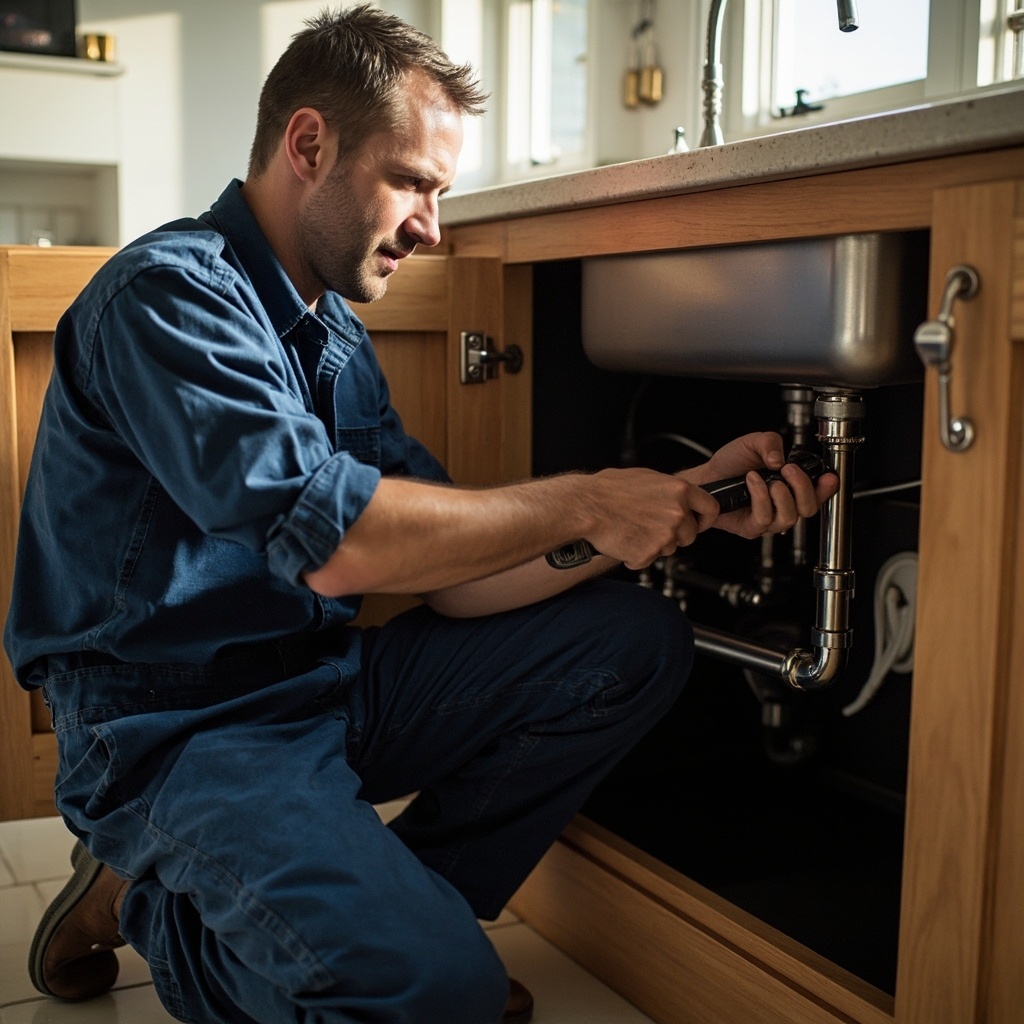
Earthquake Gas Shutoff Valves: Essential Safety for Newport Beach Homes
Living in Newport Beach means enjoying beautiful coastal weather, stunning ocean views, and the California lifestyle. However, it also means living in an active seismic zone where earthquakes are a reality. While we can’t prevent earthquakes, we can take proactive steps to protect our homes and families. One of the most critical safety measures often overlooked by homeowners is installing an earthquake gas shutoff valve.
Newport Beach’s luxury coastal homes, many built between the 1960s and 1980s, face unique challenges during seismic events. The combination of concrete slab foundations, extensive gas lines serving outdoor kitchens and fire features, and the marine environment creates specific vulnerabilities that every homeowner should address. Understanding how earthquake gas shutoff valves work and why they’re essential can make the difference between a manageable situation and a devastating emergency.
What Are Earthquake Gas Shutoff Valves and How Do They Work?
Earthquake gas shutoff valves are automatic safety devices that instantly cut off your home’s natural gas supply when ground motion from an earthquake is detected. These valves install directly on your gas meter and use a motion-sensitive mechanism that triggers when seismic activity reaches a predetermined threshold, typically around 5.1 to 5.4 on the Richter scale.
The valve mechanism contains a steel ball bearing that sits in a sensing cup. During normal conditions, the ball remains stationary, allowing gas to flow freely to your home. When earthquake motion occurs, the ball bearing is displaced, triggering a spring-loaded mechanism that immediately shuts off the gas flow. This happens within seconds of detecting significant ground movement, long before you might even realize an earthquake is occurring.
For Newport Beach homeowners, this technology is particularly valuable given our proximity to several major fault lines, including the Newport-Inglewood Fault Zone. The automatic nature of these valves means protection is active 24/7, whether you’re home or away, awake or asleep.
Why Newport Beach Homes Need Earthquake Gas Shutoff Valves
Newport Beach’s unique housing characteristics create specific risks that make earthquake gas shutoff valves especially important. Many of our coastal homes feature extensive gas line networks serving outdoor kitchens, fire pits, pool heaters, and indoor fireplaces. These complex systems increase the potential points of failure during seismic events.
The marine environment adds another layer of concern. Salt air exposure can cause corrosion in gas lines over time, potentially weakening joints and connections. When combined with the ground movement of an earthquake, these weakened points become vulnerable to rupture. Additionally, many Newport Beach homes sit on concrete slab foundations, which can shift or crack during earthquakes, potentially damaging gas lines running beneath or through the slab.
Consider these Newport Beach-specific risks:
- Extensive outdoor gas appliances create multiple potential leak points during earthquakes
- Salt air corrosion may weaken gas line connections over time, increasing rupture risk
- High-value properties with complex gas systems require maximum protection
- Dense neighborhood development means a gas leak can affect multiple properties
- Proximity to the harbor and marine facilities increases potential for cascading emergencies
Types of Earthquake Gas Shutoff Valves for Your Home
Several types of earthquake gas shutoff valves are available, each designed for different applications and sensitivity levels. Understanding your options helps ensure you choose the right protection for your Newport Beach home.
Excess flow valves monitor gas flow rates rather than seismic activity. These valves shut off gas when they detect a sudden increase in flow, which typically indicates a major line rupture. While not specifically earthquake-activated, they provide protection when seismic activity causes significant gas line damage.
Seismic gas shutoff valves are the most common type for residential applications. These motion-activated valves respond to ground acceleration and can be calibrated for different sensitivity levels. For Newport Beach homes, a sensitivity setting that triggers at magnitude 5.1-5.4 earthquakes provides optimal protection without false triggers from minor tremors.
Remote shutoff systems offer the most advanced protection, allowing manual activation from inside your home or automatic activation based on seismic sensors. These systems are particularly valuable for larger properties with extensive gas systems or homes with elderly residents who might have difficulty accessing outdoor gas meters.
When selecting a valve type, consider these factors:
- Home size and gas usage determine the appropriate valve capacity
- Local seismic activity patterns influence optimal sensitivity settings
- Property layout affects whether remote activation capability is beneficial
- Family needs such as mobility limitations may favor certain valve types
Professional Installation vs. DIY Considerations
While some homeowners consider installing earthquake gas shutoff valves themselves, this work requires specific expertise and local permit compliance. In Newport Beach, gas line work typically requires permits and must meet strict safety codes, especially given our coastal location and seismic risks.
Professional installation ensures proper valve sizing, correct orientation, and compliance with local codes. A qualified plumber Newport Beach residents trust will also inspect your existing gas system for potential vulnerabilities, such as corroded connections or inadequate support brackets that could fail during earthquakes.
However, homeowners can take some preparatory steps:
- Locate your gas meter and ensure clear access for emergency shutoff
- Identify all gas appliances in your home to understand your system’s complexity
- Check for visible corrosion on gas lines, especially in areas exposed to salt air
- Test your manual gas shutoff to ensure the valve operates smoothly
Professional installation becomes essential when dealing with complex gas systems, high-pressure lines, or when your home’s gas meter is in a challenging location. Newport Beach plumber professionals have experience with our area’s specific challenges, including salt air corrosion and seismic requirements.
Maintenance and Testing Your Earthquake Gas Shutoff Valve
Once installed, earthquake gas shutoff valves require minimal but important maintenance to ensure reliable operation. Newport Beach’s marine environment creates specific maintenance considerations that homeowners should understand.
Annual visual inspections should check for signs of corrosion, especially around the valve body and connecting pipes. Salt air can accelerate metal deterioration, so look for any discoloration, flaking, or white residue that might indicate corrosion beginning. The valve should remain clean and free of debris, landscaping growth, or storage items that could interfere with access.
Sensitivity testing should be performed by qualified professionals every few years. This involves using specialized equipment to simulate earthquake motion and verify the valve triggers at the correct threshold. Attempting to test the valve yourself by shaking or striking it can damage the mechanism or cause unwanted activation.
Regular maintenance tasks homeowners can perform include:
- Keep the meter area clear of landscaping, storage, and debris
- Rinse salt buildup from exposed metal components during routine yard maintenance
- Verify clear access for emergency responders and utility workers
- Document valve information including installation date, model, and sensitivity setting
Remember that once an earthquake gas shutoff valve activates, it requires professional reset and system inspection before gas service can be restored. Never attempt to reset the valve yourself, as this requires verifying that all gas lines and appliances are intact and safe for operation.
Protecting Your Newport Beach Home’s Future
Earthquake gas shutoff valves represent a small investment with potentially life-saving returns. For Newport Beach homeowners, the combination of seismic risk, complex gas systems, and high property values makes this safety upgrade particularly valuable. Beyond the obvious safety benefits, many insurance companies offer discounts for homes equipped with earthquake gas shutoff valves, recognizing their effectiveness in preventing fire damage during seismic events.
The peace of mind these devices provide is invaluable. Whether you’re traveling, at work, or sleeping, you’ll know your home has automatic protection against one of earthquake’s most dangerous secondary hazards. Given Newport Beach’s active lifestyle and the fact that many residents spend significant time away from home, this 24/7 protection is especially important.
Installing an earthquake gas shutoff valve is an investment in your family’s safety and your property’s protection. Combined with other earthquake preparedness measures, it forms part of a comprehensive approach to seismic safety that every Newport Beach homeowner should consider.
Need professional help selecting and installing an earthquake gas shutoff valve for your Newport Beach home? Call The Newport Beach Plumber at (949) 674-4544 for expert guidance and installation services tailored to our coastal environment’s unique challenges.
Need Professional Help?
If you're experiencing plumbing issues in Newport Beach, our licensed plumbers are ready to help.
Call Now: (949) 674-454424/7 Emergency Service Available